

Last updated: October 14, 2026
Chattanooga calls itself the Scenic City, and for once the nickname undersells it. This is a mid-sized Tennessee city wrapped around the Tennessee River and pressed against the ridgelines of Lookout Mountain, where you can ride a 19th-century incline railway in the morning, hike to a waterfall after lunch, and eat well downtown at night. This complete guide covers the attractions, the hiking, the riverfront, the food, and the day trips, plus the practical answers every visitor asks.
Where Is Chattanooga, TN?
Chattanooga sits in southeast Tennessee near the Georgia line, about 2 hours from Atlanta, 2 hours from Nashville, and 1.5 hours from Knoxville, in the Tennessee River valley at the foothills of the Appalachian Mountains. Lookout Mountain rises directly south of downtown, which is why the city works so well for outdoor travelers: you can be on a mountain trail 15 minutes after leaving your hotel.
A Brief History of Chattanooga
Chattanooga’s story explains its layout. It began as a Cherokee settlement and trading post, became a critical railroad hub in the 1800s (hence the Chattanooga Choo Choo), and saw pivotal Civil War battles on Lookout Mountain and Missionary Ridge, preserved today in the national military park. The 20th century brought heavy industry and, by the 1960s, some of the worst air pollution in America. The turnaround since the 1980s is one of the great American urban revivals: the riverfront was rebuilt, the aquarium opened in 1992, and the city rebranded around the outdoors. Knowing this makes the riverfront and the mountain battlefields resonate more.
Getting to Chattanooga
Chattanooga is one of the easiest mountain cities to reach. It sits at the junction of I-75, I-24, and I-59, which puts it about 2 hours from Atlanta, 2 hours from Nashville, and 1.5 hours from Knoxville. Most visitors drive; the interstates deliver you straight to downtown. Chattanooga Metropolitan Airport (CHA) has connecting flights through major hubs, and it is only 15 minutes east of downtown. If you are combining Chattanooga with the Smokies or Asheville, it slots neatly into a Southern Appalachians road trip: Asheville is about 4 hours east via I-40.
The 10 Best Things to Do in Chattanooga at a Glance
Short on time? These ten experiences define the city, drawn from the official visitor bureau and every major guide. They split naturally into three groups: Lookout Mountain (items 1 to 3 and 9), downtown and the riverfront (4 to 6 and 8), and the wider outdoors (7 and 10). Hit one group per day and you will have seen the best of Chattanooga:
| # | What | Where | Time needed |
|---|---|---|---|
| 1 | Rock City Gardens | Lookout Mountain | 2 to 3 hours |
| 2 | Ruby Falls | Lookout Mountain | 1.5 hours |
| 3 | Incline Railway | St. Elmo to Lookout Mountain | 1 hour |
| 4 | Tennessee Aquarium | Riverfront downtown | 3 hours |
| 5 | Walnut Street Bridge | Downtown riverfront | 30 to 60 min |
| 6 | Coolidge Park | North Shore | 1 to 2 hours |
| 7 | Sunset Rock hike | Lookout Mountain | 1 to 2 hours |
| 8 | Hunter Museum of American Art | Bluff View | 1 to 2 hours |
| 9 | Point Park | Lookout Mountain summit | 1 hour |
| 10 | Cloudland Canyon day trip | Northwest Georgia | Half to full day |
Lookout Mountain: Rock City, Ruby Falls & the Incline
Lookout Mountain is the reason most people come to Chattanooga. The mountain holds the city’s three signature attractions plus its best hiking, all within 15 minutes of downtown. You can do all three attractions in one full day, but pair them with a hike and the mountain easily fills two.
Rock City Gardens is the classic: a trail through massive rock formations, narrow passages, a swinging bridge, and gardens, ending at Lover’s Leap, where the famous See Seven States panorama takes in parts of Tennessee, Georgia, Alabama, North Carolina, South Carolina, Virginia, and Kentucky. Go early to beat the crowds; the trail is paved and suits all ages.
Ruby Falls is a 260-foot waterfall hidden deep inside the mountain, the tallest underground waterfall open to the public in the United States. The guided cave tour winds past striking formations before the falls light up in the main cavern. The cave stays cool year-round, so bring a light layer even in summer, and book ahead on weekends.
Planning your mountain day: the three paid attractions (Rock City, Ruby Falls, Incline) each take 1 to 3 hours. Do Rock City first when it opens, Ruby Falls midday (the cave is cool regardless of outside heat), and the Incline in the late afternoon for the best light. Buy tickets online ahead for weekends. Point Park and Sunset Rock are free and fit around the paid stops.
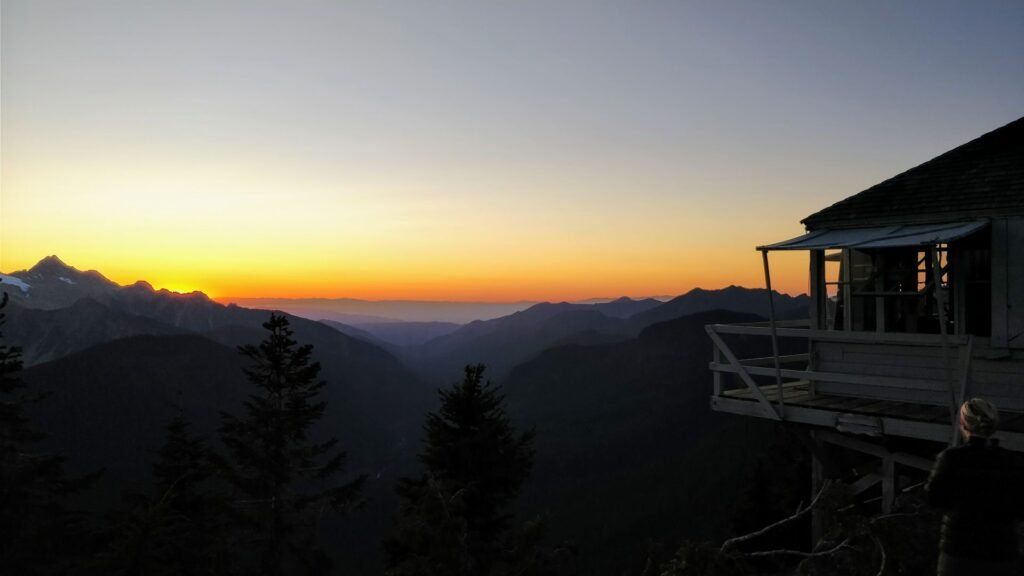
The Incline Railway climbs from the historic St. Elmo neighborhood to the top of the mountain at grades approaching 73 percent, making it one of the steepest passenger railways in the world. The ride itself is the attraction, with the valley dropping away beneath you. At the top, walk to Point Park, part of the Chickamauga and Chattanooga National Military Park, which preserves the Civil War Battle Above the Clouds and offers some of the finest free views in the city.
Tennessee Aquarium & the Riverfront
The Tennessee Aquarium anchors the downtown riverfront and ranks among the best aquariums in the country. Its two buildings follow a drop of water from the mountains to the sea: the River Journey building covers freshwater habitats with otters, alligators, and massive catfish, while the Ocean Journey building brings sharks, penguins, and a butterfly garden. Plan a full 3 hours; it earns every minute.
The riverfront around the aquarium is worth as much time as the building. The Tennessee Riverpark’s paved paths run for miles along the water in both directions, and the whole downtown riverfront is designed for walking. This is the natural center of a Chattanooga trip: start here, then radiate outward.
Walnut Street Bridge, Coolidge Park & the Riverwalk
The Walnut Street Bridge is one of the longest pedestrian bridges in the world, spanning the Tennessee River from downtown to the North Shore. Walking it at sunset, with Lookout Mountain behind you and the city ahead, is the single best free experience in Chattanooga. It takes 20 to 30 minutes each way at a stroll.

On the North Shore side, Coolidge Park holds a restored antique carousel, an interactive water fountain kids love, and open lawns made for picnics. The Tennessee Riverwalk continues from here for miles in both directions; rent a bike and ride it. Together, the bridge, the park, and the riverwalk make a perfect half day that costs nothing.
Hiking Around Chattanooga
This is where Chattanooga separates itself from every other city trip: the hiking is genuinely excellent, not an afterthought. Our full guide to hiking around Chattanooga covers the trail system in detail; these are the highlights.
Sunset Rock on Lookout Mountain is the essential hike: a short, easy trail to a cliff-edge overlook with panoramic views over the Tennessee Valley, best at (you guessed it) sunset. The 3.2-mile round trip from Cravens House adds Civil War history and a moderate workout.
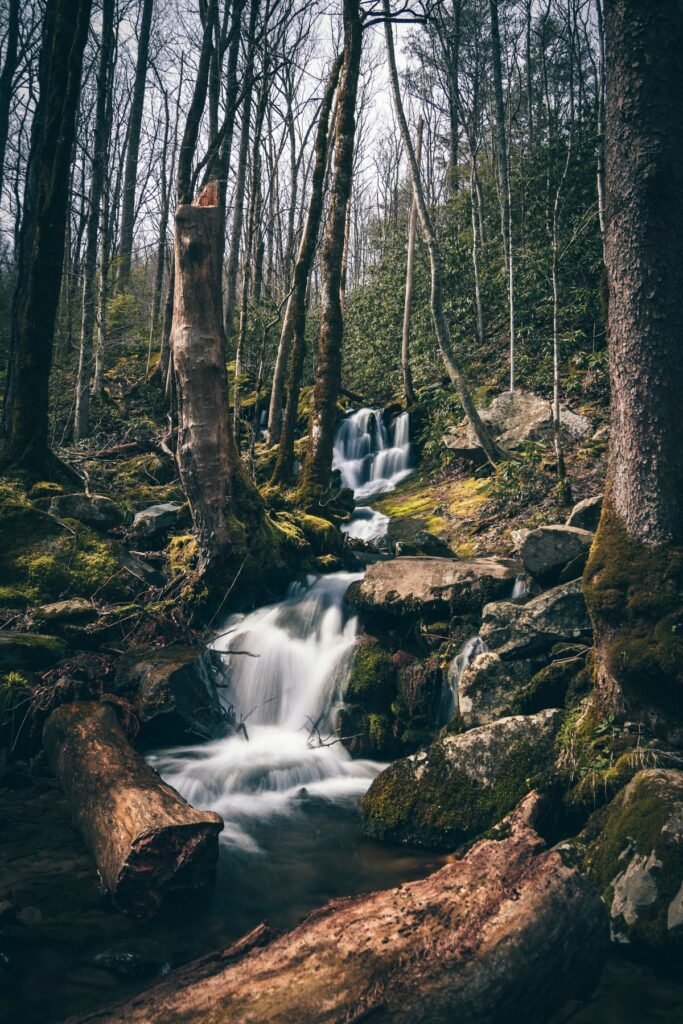
Glen Falls is a 1.2-mile family-friendly waterfall hike on Lookout Mountain, winding past a rock tunnel and footbridges to the falls. Parking is extremely limited, so go early or on a weekday.
Cloudland Canyon State Park, 30 minutes away in northwest Georgia, is the best day-trip hike: dramatic canyon overlooks, waterfall trails, and the West Rim Loop for those wanting more miles. The Cherokee Falls and Hemlock Falls trail packs two waterfalls into 1.2 miles.
Prentice Cooper State Forest offers wilder Cumberland Plateau hiking with bluff views and far fewer people. And for climbers, the boulder fields at Stone Fort (also called Little Rock City) draw boulderers from around the world.
Museums Worth Your Time
Three museums stand out beyond the aquarium: the Hunter Museum of American Art on the river bluffs, the Creative Discovery Museum for kids, and the Tennessee Valley Railroad Museum with heritage train rides. The Chattanooga Choo Choo terminal is worth a photo stop regardless.
Chattanooga with Kids
Chattanooga might be America’s best mid-sized city for a family trip. The aquarium, children’s museum, Coolidge Park carousel, and Walnut Street Bridge form a walkable core, while Rock City and Ruby Falls add wonder without demanding hikes. Two days works; three lets you add Cloudland Canyon. We put together a full Chattanooga with kids guide with the best family attractions and day-by-day itineraries.
Where to Eat in Chattanooga
Chattanooga’s food scene has grown up fast, and it rewards hikers well. Downtown and the North Shore hold the densest restaurant rows. The Bluff View Art District has the most atmospheric dining, perched above the river with views to match the food.
For a hiker’s day, the pattern works: a hearty breakfast downtown before heading to the mountain, a casual lunch back in the city (barbecue and Southern staples dominate), and dinner on the North Shore or Bluff View. The city’s brewery scene is solid though smaller than Asheville’s, and several downtown breweries pair well with a post-hike evening. Our dedicated Chattanooga food and brewery guide (coming in this series) covers the full list; for now, know that you will eat well without trying hard.
Where to Stay in Chattanooga
Base yourself downtown or on the North Shore and you can walk to the riverfront attractions; everything else is a short drive. Here is how the areas compare:
| Area | Best for | Vibe |
|---|---|---|
| Downtown / Riverfront | First-timers, walkability | Hotels near the aquarium; priciest |
| North Shore | Families, food lovers | Quirky shops, Coolidge Park access |
| St. Elmo | Lookout Mountain access | Historic neighborhood at the Incline base |
| Lookout Mountain, GA | Views, quiet | Small inns atop the mountain |
| East / Hamilton Place | Budget, highway access | Chain hotels, 15 min to downtown |
For hikers, St. Elmo is the sleeper pick: you are at the base of the Incline with trail access up the mountain, and downtown is minutes away. Book ahead for October weekends and any festival dates; the downtown hotels fill fast.
Best Day Trips from Chattanooga
Cloudland Canyon State Park (30 min) is the essential day trip for canyon views and waterfalls. The Ocoee River (30 to 45 min) offers whitewater rafting on the 1996 Olympic course. Raccoon Mountain Caverns adds wild cave expeditions. None requires changing hotels.
Festivals & Events Worth Planning Around
Chattanooga’s calendar punches above its weight. The Riverbend Festival brings major music acts to the riverfront each summer. The Moon River Festival draws indie crowds in the fall. The Head of the Hooch regatta is one of the largest rowing events in the country. Add the Chattanooga Market (a huge weekly arts and food market), the Cornbread Festival, and regular IRONMAN events, and there is usually something happening. Check dates before booking: festivals fill hotels and raise prices, but they also give your trip an extra dimension if you plan around them. Visiting in fall? Our Chattanooga Halloween guide covers the season’s best events and haunted houses.
How Many Days Do You Need in Chattanooga?
Two days covers the essentials: one for Lookout Mountain (Rock City, Ruby Falls, Incline) and one for downtown (aquarium, bridge, Coolidge Park). Three days is the sweet spot, adding a hiking day at Cloudland Canyon or Sunset Rock plus the museums. With four or more, add the Ocoee rafting trip and slow the whole pace down.
Best Time to Visit Chattanooga
| Season | Weather | Crowds | Best for |
|---|---|---|---|
| Mar to May | 60 to 78F, wildflowers | Moderate | Hiking, waterfalls, mild weather |
| Jun to Aug | 85 to 92F, humid | High | Aquarium, river activities, caves |
| Sep to Nov | 60 to 78F, fall color | High in Oct | Hiking, views, festivals |
| Dec to Feb | 40 to 55F | Low | Budget trips, quiet attractions |
Spring and fall are the best seasons: mild weather for hiking and the mountain views at their finest. Summer is hot and humid, which pushes you toward the air-conditioned aquarium and the cool caves. October brings fall color and the biggest crowds; book Lookout Mountain attractions ahead.
Sample 3-Day Chattanooga Itinerary
Three days is the sweet spot. Here is how to structure them:
Day 1: Lookout Mountain. Start at Rock City when it opens to beat the crowds, have lunch on the mountain, then tour Ruby Falls in the early afternoon. Ride the Incline Railway down (or up) in the late afternoon and finish at Point Park for sunset views over the valley.
Day 2: Downtown and the river. Morning at the Tennessee Aquarium (3 hours), lunch downtown, afternoon walking the Walnut Street Bridge and Coolidge Park. Ride a section of the Riverwalk on a rented bike, then dinner on the North Shore or in Bluff View.
Day 3: Hiking day. Drive to Cloudland Canyon for the waterfall trails and canyon overlooks (half day), or stay closer with the Sunset Rock hike from Cravens House plus the Hunter Museum in the afternoon. If you have energy left, the Chattanooga Choo Choo complex makes a fun evening stop.
Frequently Asked Questions
What is there to do in Chattanooga, Tennessee?
The top attractions are Lookout Mountain (Rock City, Ruby Falls, Incline Railway), the Tennessee Aquarium, Walnut Street Bridge, Coolidge Park, and excellent nearby hiking at Cloudland Canyon and Sunset Rock.
Is Chattanooga worth visiting?
Yes, especially for outdoor travelers and families. Few American cities combine a real downtown, a world-class aquarium, and mountain hiking 15 minutes away.
How many days do you need in Chattanooga?
Two days for the essentials, three for the sweet spot with a hiking day. Four lets you add whitewater rafting on the Ocoee.
What is Chattanooga known for?
Lookout Mountain, the Tennessee Aquarium, the Chattanooga Choo Choo, Civil War history, and an outstanding outdoor scene of hiking, climbing, and paddling.
Can you do Chattanooga without a car?
Downtown, yes: the riverfront, bridge, aquarium, and Coolidge Park are walkable. But Lookout Mountain, Cloudland Canyon, and the trailheads all require a car.
What is the best free thing to do in Chattanooga?
Walking the Walnut Street Bridge at sunset, then the Riverwalk. Point Park on Lookout Mountain is also free and has superb views.
When is the best time to visit Chattanooga?
Spring (March to May) and fall (September to November) offer the best weather for hiking and sightseeing. Summer suits the aquarium and caves; winter is quiet and cheap. Curious what winter here actually looks like? See does it snow in Chattanooga for the real numbers.
Final Thoughts
Chattanooga works because it refuses to make you choose between city and outdoors. Ride the Incline in the morning, hike to a waterfall after lunch, walk the bridge at sunset. Start with Lookout Mountain, build around the river, and save a day for the trails. The Scenic City earns the name.


