

Last updated: October 14, 2026
Asheville, North Carolina is a small mountain city with an outsized reputation. Set in a valley where the Blue Ridge Mountains meet the Smokies, it works as both an outdoor basecamp and a cultural weekend trip. This guide covers the hiking, waterfalls, Biltmore Estate, downtown, food, lodging, and day trips, plus the practical answers every visitor asks.
Where Is Asheville, NC?
Asheville sits in western North Carolina, about 2 hours west of Charlotte and 4 hours northwest of Atlanta, in the French Broad River valley at roughly 2,100 feet of elevation. The Blue Ridge Mountains rise to the east and the Great Smoky Mountains to the west, which is why the city works so well as a hiking basecamp: the Blue Ridge Parkway passes right by the city’s east side, and you can reach a trailhead within 20 minutes of downtown.
What Is Asheville Known For?
Asheville is known for five things: exceptional hiking in the Blue Ridge Mountains, the Biltmore Estate (America’s largest privately owned home), one of the highest craft-brewery counts per capita in the country, a thriving arts and live-music scene, and spectacular fall foliage. Together they make it one of the most visited small cities in the Southeast.
- Hiking and the outdoors: hundreds of trails within an hour, from easy waterfall walks to serious ridgeline hikes.
- The Biltmore Estate: 8,000 acres of gardens, trails, and a winery around a 250-room mansion.
- Craft beer: dozens of breweries, from national names to tiny taprooms.
- Arts and music: the River Arts District, downtown buskers, and venues like The Orange Peel.
- Fall foliage: some of the best autumn color in the eastern US.
Go Hiking: The Best Trails Around Asheville
The single best thing to do in Asheville is hike. Within 30 to 45 minutes of downtown you can walk through old-growth forest, climb to 6,000-foot balds with 360-degree views, or stand at the base of a 100-foot waterfall. No other small city in the Southeast packs this much trail variety this close to town.
We’ve mapped it all out in our guide to the 10 best hiking trails around Asheville, North Carolina, from the easy Craggy Gardens walk on the Blue Ridge Parkway to the demanding climb up Mount Mitchell, the highest peak east of the Mississippi.
If you only have time for one hike, make it Craggy Gardens to Craggy Pinnacle. It’s a short 1.4-mile round trip through rhododendron tunnels (spectacular in June) ending at one of the finest sunset viewpoints near the city. Go on a weekday if you can; the small parking lot fills by mid-morning on fall weekends.
What to Do in Downtown Asheville
Downtown Asheville is compact, walkable, and worth half a day on foot. Start at Pack Square, then wander Lexington Avenue and Broadway for independent shops, bookstores, and street performers. The River Arts District, a short drive away along the French Broad River, holds working artist studios inside converted warehouses; you can watch artists work and buy directly from them.
Other downtown stops worth your time: the Asheville Pinball Museum (one entry fee, unlimited play), the historic Basilica of St. Lawrence, and The Orange Peel for live music at night. Downtown also has the densest concentration of the city’s restaurants and breweries, so plan to eat here at least once.

Visit the Biltmore Estate
The Biltmore Estate is George Vanderbilt’s 250-room mansion set on 8,000 acres, and it remains America’s largest privately owned home. Beyond the house tour, the estate includes 75-plus miles of walking and biking trails, formal gardens, and a working winery with tastings included in admission, according to Biltmore’s official visitor information.
Budget at least half a day, or a full day if you want the house, gardens, and Antler Hill Village. Book house-tour tickets in advance; timed entries sell out on weekends and throughout October. If you’re a hiker, don’t skip the estate’s trail system; the rolling grounds make for an easy recovery-day walk.
Chase Waterfalls Near Asheville
The mountains around Asheville hold some of the most accessible waterfalls in the eastern US, and many require only a short walk from the road:
- Looking Glass Falls: a 60-foot roadside cascade, about 30 minutes from downtown. You can see it without leaving your car, or take the steps down for a closer look.
- Catawba Falls: a 3-mile round-trip hike to a beautiful multi-tier waterfall. Go early; the trailhead lot is small.
- Crabtree Falls: right off the Blue Ridge Parkway, an easy loop with a 70-foot fall.
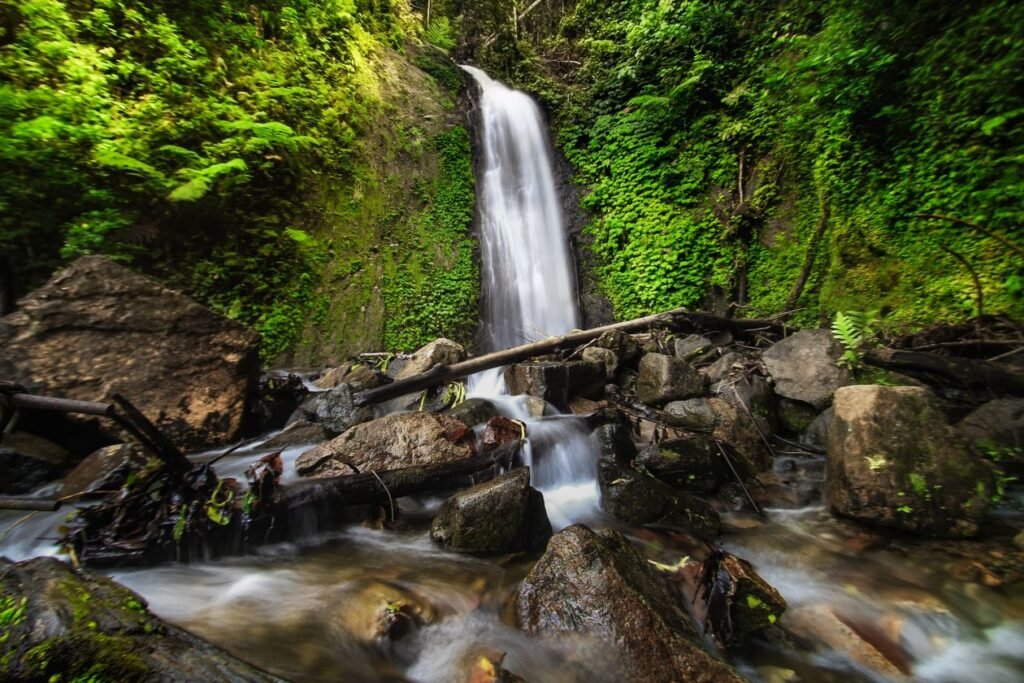
We’re publishing a dedicated guide to the best waterfalls near Asheville soon. It’s one of the highest-reward half-day trips you can do from the city.
Drive the Blue Ridge Parkway
The Blue Ridge Parkway is a 469-mile scenic road connecting Virginia’s Shenandoah to North Carolina’s Smokies, and the National Park Service notes the section near Asheville is among its most traveled. From the Folk Art Center at milepost 382 you can reach Craggy Gardens, Mount Mitchell State Park, and dozens of overlooks in a single afternoon drive.
Two practical notes: the Parkway closes sections in winter when ice makes the road unsafe, so check the Park Service’s daily road-closure map between December and March. And fill up before you go; there are no gas stations on the Parkway itself.
Where to Stay in Asheville, NC
Pick your base by what kind of trip you’re taking:
| Area | Best for | Price | Vibe |
|---|---|---|---|
| Downtown | First-timers, nightlife, no-car evenings | $$$ | Walkable, lively, pricey parking |
| Biltmore Village / South | Biltmore visits, families | $$ | Convenient to I-40, good value |
| West Asheville | Food lovers, budget travelers | $$ | Funky, local, 10 min to downtown |
| Black Mountain / Fairview | Hikers wanting trail access | $ to $$ | Quiet cabins, closest to trailheads |
Hikers should seriously consider cabins outside the city. Places like Black Mountain, Weaverville, and Fairview put you 15 to 30 minutes closer to the best trailheads and usually cost less than downtown hotels, especially on weekends. We’re publishing a full where-to-stay-in-Asheville breakdown next with hiker-friendly picks in each area.
Where to Eat in Asheville, NC
Asheville’s food scene punches well above its weight for a city this size, which matters after a long day on the trail. Reliable picks:
- Tupelo Honey: Southern comfort food; the fried chicken and biscuits live up to the hype.
- 12 Bones Smokehouse: the BBQ joint in the River Arts District. Expect a line at lunch; it’s worth it.
- White Duck Taco Shop: creative tacos, several locations around town.
- Breweries: Highland Brewing, Burial Beer Co., and Wicked Weed anchor a scene of 30-plus breweries. Most serve food or host food trucks.
Is Asheville, NC Safe?
Yes, Asheville is generally safe for visitors. The tourist areas and downtown are well trafficked, and violent crime against visitors is rare. Like any small city, it has property crime and a visible homelessness situation downtown. The safety issue that actually affects hikers is trailhead car break-ins: never leave valuables visible in your car at a trailhead, not even for a short hike. We’re publishing a detailed Asheville safety guide as part of this series.
Best Time to Visit Asheville
| Season | Weather | Crowds and prices | Best for |
|---|---|---|---|
| Oct | 50 to 65 F, peak color mid-month | Highest: book months ahead | Fall foliage |
| Apr to Jun | 60 to 78 F, wildflowers | Moderate | Hiking, waterfalls at full flow |
| Jul to Aug | 75 to 85 F, afternoon storms | Moderate to high | High-elevation escapes from lowland heat |
| Dec to Feb | 35 to 50 F, occasional snow | Lowest | Budget trips, quiet trails |
October is the headline season but also the most expensive and crowded. For the best balance of weather, waterfalls, and breathing room, late April through June is hard to beat: rhododendron blooms, full waterfalls from spring rain, and comfortable hiking temperatures.
Best Day Trips from Asheville
If you have extra days, these are all within about an hour:
- Black Mountain (20 min): charming small town and gateway to the Craggy Mountains.
- Chimney Rock State Park (45 min): the famous rock monolith with sweeping Hickory Nut Gorge views.
- Lake Lure (50 min): lake beach, boat tours, and the flowering bridge.
- Brevard (45 min): the “Land of Waterfalls,” with over 250 cascades in Transylvania County.
- Great Smoky Mountains National Park (1 hr to Oconaluftee): America’s most visited national park.
How Many Days Do You Need in Asheville?
Two days covers downtown, the Biltmore, and one hike, but it feels rushed. Three to four days is the sweet spot: hiking, waterfalls, downtown, the Biltmore, and a Blue Ridge Parkway drive without sprinting. With five or more days, add day trips to Brevard’s waterfalls, Chimney Rock, or the Smokies, and slow the whole trip down.
Frequently Asked Questions
What is there to do in Asheville, NC for free?
Plenty. Hiking on the Blue Ridge Parkway, browsing the River Arts District, Pack Square, the Folk Art Center, and roadside waterfalls like Looking Glass Falls are all free.
Is Asheville worth visiting?
Yes, if you like mountains, food, beer, and arts. It’s one of the few small American cities that works equally well as an outdoor basecamp and a cultural weekend trip.
What is Asheville, NC known for?
Hiking in the Blue Ridge Mountains, the Biltmore Estate, craft breweries, a strong arts and music scene, and fall foliage.
Can you do Asheville without a car?
Downtown, yes. But the hiking trails, waterfalls, Biltmore Estate, and Blue Ridge Parkway all require a car or a guided tour. Rent one.
Does it snow in Asheville, NC?
Occasionally. Asheville gets a few light snowfalls most winters, with more snow at higher elevations nearby. The Blue Ridge Parkway often closes sections due to ice from December through March.
What is the best month to visit Asheville?
October for peak fall foliage, though it’s crowded and expensive. May and June offer the best balance of hiking weather, waterfalls, and smaller crowds.
Final Thoughts
Asheville works because it never makes you choose. Hike a 6,000-foot bald in the morning, eat well for lunch, browse working art studios in the afternoon, and catch live music at night. All in one day. Start with our guide to the 10 best hiking trails around Asheville, then build the rest of your trip around the trails.
Next in this series: where to stay in Asheville, NC: the best areas and hiker-friendly lodging.
Free download: The Perfect Asheville Weekend (PDF) — a printable 2-day itinerary with a packing checklist.


