

Last updated: October 14, 2026
Where you stay in Asheville shapes your whole trip. The city itself is compact, but your options split three ways: downtown hotels in the middle of the food and music scene, the Biltmore Village area near the estate, and cabins in the surrounding mountains that put you minutes from trailheads. The right pick depends entirely on what kind of trip you’re taking, so this guide matches each traveler type to the area that fits best.
What Is the Best Area to Stay in Asheville, NC?
The best area to stay in Asheville, NC depends on your trip: downtown suits first-timers and couples who want walkable restaurants and nightlife, Biltmore Village works well for families visiting the estate, and the mountain towns outside the city (Black Mountain, Weaverville, Fairview) are best for hikers who want quick trailhead access and better value.
Use this table to match your trip to the right base:
| Traveler type | Best area | Why it fits |
|---|---|---|
| Hikers | Black Mountain, Fairview, Weaverville | Closest to trailheads; cabins with kitchens, washers, and gear space |
| First-time visitors | Downtown | Walkable to restaurants, breweries, music, and shops |
| Families | Biltmore Village / South Asheville | Near the Biltmore Estate, easier parking, better value suites |
| Couples | Downtown or Biltmore Village | Historic inns, good restaurants, walkable evenings |
| Budget travelers | West Asheville, East Asheville, Mars Hill | Lower rates, still 10 to 20 minutes from everything |
I’ve stayed in most of these areas over the years, and the honest truth is that there’s no bad choice here, only trade-offs. Downtown costs more but you won’t touch your car at night. Cabins cost less and put you near the trails, but you’ll drive to dinner. Pick based on what you’ll actually do most.
Should You Stay in Downtown Asheville or Outside Town?
Stay downtown if food, breweries, and live music are the point of your trip; stay outside town if hiking is the point. Downtown puts you within walking distance of the city’s best restaurants and venues, while cabins in the surrounding towns cut 15 to 30 minutes off your morning drive to the trailheads.
| Downtown | Outside town (cabins) | |
|---|---|---|
| Trailhead access | Around 20 to 40 minutes to most trailheads | Around 5 to 20 minutes to most trailheads |
| Evenings | Walk to dinner, breweries, music | Drive back after dinner |
| Price | Highest, especially weekends and October | Usually lower, better for longer stays |
| Parking | Often paid or limited | Free and plentiful |
| Space | Hotel rooms | Full cabins: kitchen, laundry, porch, hot tub |
| Best for | First-timers, couples, short trips | Hikers, families, week-long stays |
One more consideration: October. During peak foliage season, downtown books up months ahead and prices spike. If you’re visiting in October and booking late, the surrounding towns are often your only realistic option, and frankly they’re a fine one.
Where to Stay in Downtown Asheville, NC
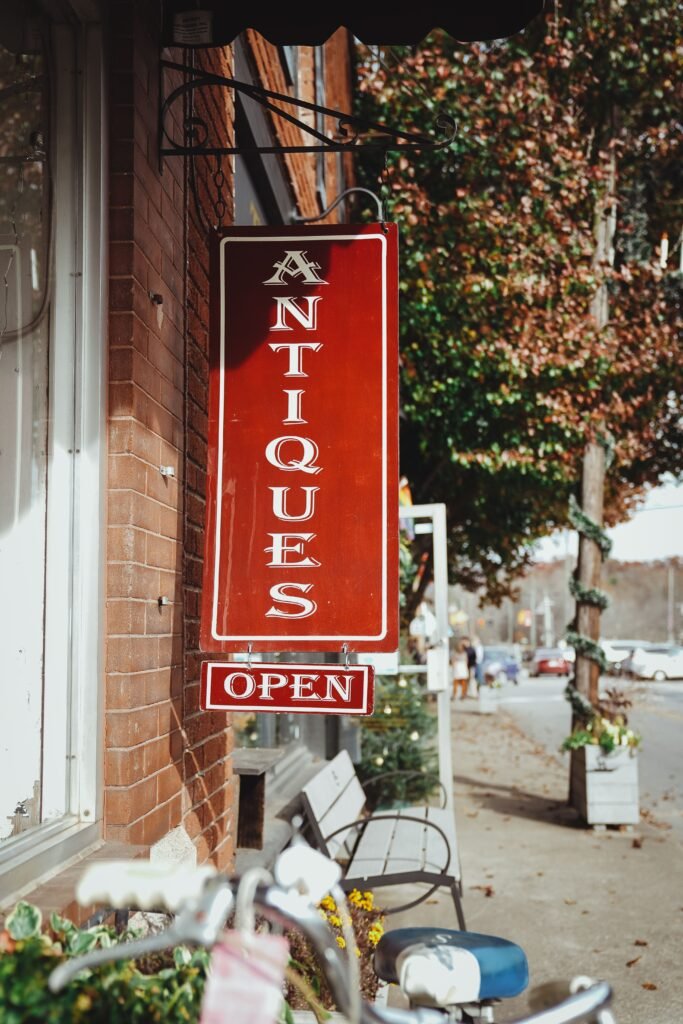
Downtown Asheville is the best area for first-time visitors who want the city’s food, brewery, and music scene on foot. The hotel stock here leans boutique and historic rather than big-box: converted warehouses, art-filled lobbies, and rooftop bars with mountain views are the norm, not the exception.
What to look for in a downtown stay:
- Location within the core: the sweet spot is between Pack Square and the River Arts District, which keeps most restaurants and venues within a 15-minute walk.
- Parking included or nearby: several downtown hotels charge for parking or rely on public garages. Check before you book, since downtown parking adds up fast on a multi-night stay.
- Rooftop or mountain views: Asheville sits in a valley, so upper-floor rooms facing west or north often catch Blue Ridge sunsets. Worth requesting.
The trade-off with downtown is trail access. You’re looking at roughly 25 to 40 minutes to reach Blue Ridge Parkway trailheads like Craggy Gardens, and closer to an hour for the big waterfall hikes near Brevard. If your trip is two hikes and two nice dinners, that’s a fine deal. If it’s five dawn-patrol hikes in a row, stay closer to the mountains.
Are Cabins or Hotels Better for Hikers?
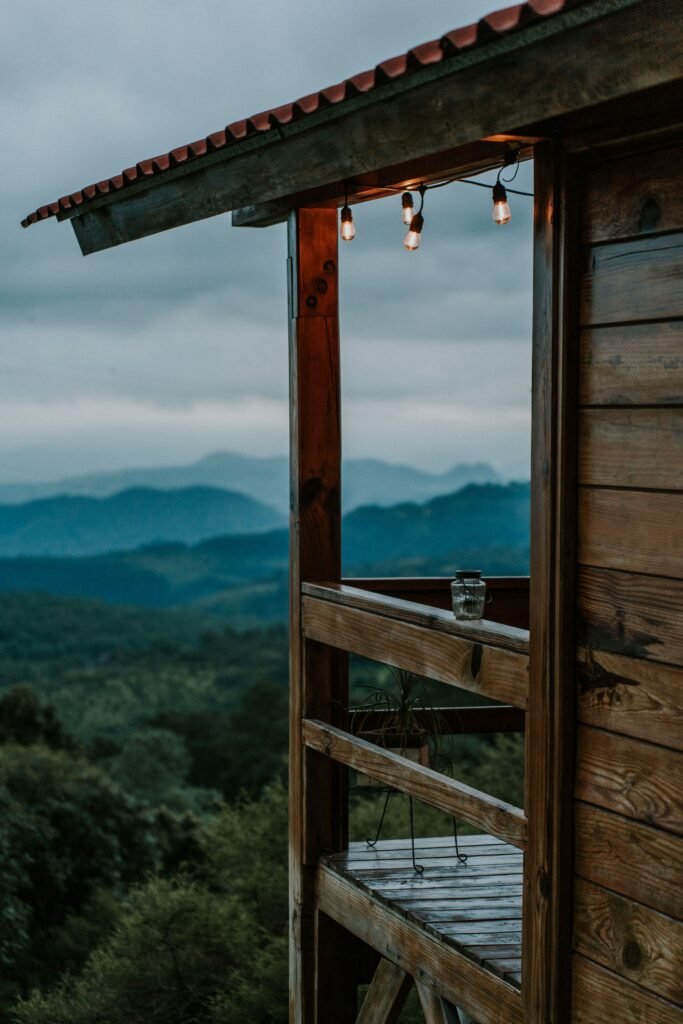
For hiking-focused trips, cabins beat hotels. A cabin gives you a kitchen for early breakfasts before dawn trailheads, a washer and dryer for muddy clothes, space to spread out gear, and usually a porch or hot tub for sore legs at the end of the day. Hotels win only if you want daily housekeeping and walkable nightlife.
Here’s my hiker’s lodging checklist. The more boxes a place ticks, the better it works as a trail base:
- Washer and dryer: non-negotiable on trips longer than two days. Mud happens.
- Kitchen or kitchenette: breakfast at 6am beats waiting for a restaurant to open when you’re chasing a sunrise hike.
- Easy trailhead access: under 20 minutes to the Blue Ridge Parkway or your target trails.
- Outdoor space: a porch, deck, or yard for airing out boots and packs.
- Hot tub: not essential, but after a 10-mile day you’ll understand why mountain cabins advertise them so heavily.
- Reliable wifi and cell service: check reviews. Some mountain hollows have dead zones, which matters if you need to check weather or trail conditions.
Black Mountain (about 20 minutes east of downtown) is my top pick for a hiking base: it’s a real town with restaurants and a grocery store, and it sits right against the mountains. Fairview and Weaverville are quieter but equally well placed. Once you’ve picked your base, plan your trail days with our guide to the best hiking trails around Asheville, North Carolina.
Where Are the Best Budget Places to Stay in Asheville?
The best budget strategy in Asheville is location, not lodging tier. West Asheville and East Asheville have motels, inns, and vacation rentals at noticeably lower rates than downtown, and you’re still 10 to 15 minutes from the center. Mars Hill, about 20 minutes north, is even cheaper and works well for longer stays.
A few budget realities worth knowing:
- Weekday rates drop significantly. A downtown hotel that costs a premium on Saturday night can be half the price on Tuesday.
- Vacation rentals beat hotels for groups. Two hotel rooms almost always cost more than one cabin or apartment with two bedrooms.
- Winter is the deal season. December through February (excluding holidays) brings the lowest rates of the year, and the trails are wonderfully empty.
- Hostels and bunkhouses exist. Asheville has a couple of well-reviewed hostels near downtown that cater to hikers and road-trippers.
Avoid the trap of booking the cheapest room 30 minutes out with no kitchen and no laundry on a hiking trip. You’ll spend the savings on restaurants and laundromats.
Where to Stay Near the Blue Ridge Parkway
The best places to stay near the Blue Ridge Parkway are on Asheville’s east side: Black Mountain, the Folk Art Center area, and the Tunnel Road corridor. The Parkway’s Folk Art Center sits at milepost 382 just east of the city, and the National Park Service notes the road runs 469 miles through the mountains, so an east-side base puts you on it in minutes instead of crossing town in morning traffic.
East Asheville’s Tunnel Road has the highest concentration of chain hotels near a Parkway entrance, which makes it a practical (if unglamorous) pick. Black Mountain costs a bit more but gives you a town worth walking around. Either way, check the Park Service’s road-closure map in winter; Parkway sections close for ice, and your “five minutes to the entrance” doesn’t help if the gate is shut.
Is Parking a Problem at Asheville Hotels?
Downtown, yes, it can be. Many downtown hotels charge for parking or direct you to public garages, and street parking is metered and competitive on weekends. If you’re driving a big vehicle or towing anything, confirm the parking situation before booking downtown.
Outside downtown, parking is a non-issue. Biltmore Village hotels, West Asheville inns, and mountain cabins almost always include free on-site parking. For hikers doing day trips, this is another quiet point in favor of staying outside the center: you leave your car, grab your pack, and go.
When Should You Book Your Asheville Stay?
Book as early as you can for October, and don’t overthink the rest of the year. Peak foliage season (roughly the second and third weeks of October) books downtown solid months in advance, with the highest rates of the year. For spring and summer, two to four weeks ahead is usually plenty. Winter walk-ins are often possible, though holiday weekends still fill up.
Cabins follow the same pattern but with one quirk: the best-reviewed cabins with hot tubs and mountain views get reserved earliest, often before the hotels sell out. If a specific cabin matters to you, book it first and plan the trip around it.
How Do You Get from the Airport to Your Lodging?
Asheville Regional Airport (AVL) sits in Fletcher, just south of the city according to the airport’s official site, roughly a 15 to 20 minute drive to downtown in normal traffic. Rental cars are available at the terminal, and ride-share pickups run from the designated lot near baggage claim.
My advice: rent the car. Asheville’s trailheads, waterfalls, the Biltmore, and the Parkway all require driving, and ride-share costs add up fast when your trailhead is 30 minutes out. The only trip where you can skip the rental is a purely downtown weekend, and even then you’ll wish you had wheels by day two.
Frequently Asked Questions
What is the best area to stay in Asheville for first-timers?
Downtown. You’ll walk to restaurants, breweries, shops, and music venues, and you can orient yourself before venturing to the trails and the Biltmore.
Is it better to stay in downtown Asheville or near the Biltmore?
Downtown for nightlife and walkability; Biltmore Village for families and anyone prioritizing the estate visit. They’re about 10 minutes apart by car, so you can’t go badly wrong.
Are cabins or hotels better for a hiking trip to Asheville?
Cabins. Kitchens, washers, gear space, and proximity to trailheads make them far more practical for multi-day hiking trips than hotel rooms.
Is it cheaper to stay outside Asheville?
Typically yes. West Asheville, East Asheville, and nearby towns like Black Mountain, Weaverville, and Mars Hill usually cost less than downtown, especially on weekends and in October.
How far is downtown Asheville from the Blue Ridge Parkway?
Around 15 to 20 minutes to the Folk Art Center entrance at milepost 382 on the city’s east side, depending on traffic.
Do I need a car in Asheville?
For a downtown-only weekend, no. For hiking, waterfalls, the Biltmore Estate, or the Blue Ridge Parkway, yes. Rent one at AVL airport.
When is the cheapest time to stay in Asheville?
December through February, excluding holiday weekends. You’ll find the lowest rates and the emptiest trails, though some Parkway sections close for ice.
Final Thoughts
Match the lodging to the trip. Hiking hard for a week? Get a cabin near Black Mountain with a washer, a kitchen, and a hot tub. First weekend in town? Stay downtown and walk everywhere. Bringing the family to the Biltmore? Base in Biltmore Village. Asheville rewards travelers who pick a base deliberately, and punishes the ones who book the first downtown room they see in October without checking the price.
Next in this series: is Asheville, NC safe? An honest safety guide for visitors and hikers.


