

Last updated: October 14, 2026
Asheville, North Carolina is a small Blue Ridge Mountain city famous for pairing serious outdoor adventure with a nationally recognized food, beer, and arts scene. Most “known for” lists stop at naming things. This one goes further: for each thing Asheville is famous for, you’ll get a practical pointer on how to experience it as a hiker or outdoor visitor.
Are the Blue Ridge Mountains Asheville’s Biggest Draw?
Yes. The mountains come first in Asheville. The city sits in a valley between the Blue Ridge and the Smokies, the Blue Ridge Parkway runs past town, and the National Park Service notes the Parkway spans 469 miles with 300 miles of trails. Trailheads for 6,000-foot balds and waterfalls sit within 45 minutes of downtown.
The hiker’s take: base yourself here and the mountains do the heavy lifting. Start with our guide to Asheville’s best hiking trails, from the easy Craggy Gardens walk to the Mount Mitchell climb. Everything below, the beer, the food, the music, tastes better after a day on the trail.
Why Is the Biltmore Estate So Famous?
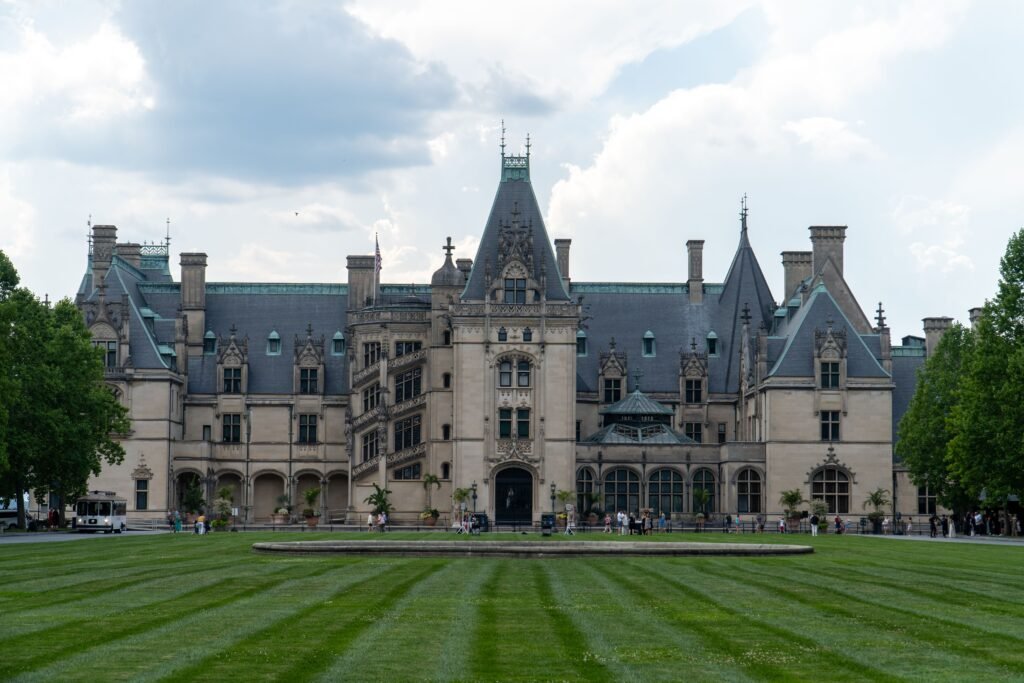
The Biltmore Estate is America’s largest privately owned home: a 250-room French Renaissance mansion on 8,000 acres, built by George Vanderbilt between 1890 and 1895. A local history guide recounts how Vanderbilt, visiting Asheville with his ailing mother, called it the most beautiful place in the world. Frederick Law Olmsted, the designer behind New York’s Central Park, designed the grounds.
The hiker’s take: don’t treat the Biltmore as just a house tour. The estate holds 75-plus miles of walking and biking trails through rolling grounds, which makes it a perfect easy recovery-day walk between harder mountain hikes. According to Biltmore’s official visitor information, admission also includes the winery and Antler Hill Village, so plan half a day at minimum.
What Makes Asheville’s Craft Beer Scene Special?
Asheville’s beer reputation comes from density and quality, not one famous brewery. The travel magazine Wanderlust counts around 25 breweries pouring more than 200 different beers, many with downtown taprooms. What sets the scene apart is how local it feels: small-batch experimental brews, brewery-run music venues, and taprooms that work as neighborhood gathering spots rather than tourist attractions.
The hiker’s take: think of breweries as your après-hike plan. The South Slope district packs a half-dozen taprooms into a few walkable blocks, ideal after a day on the Parkway. Highland Brewing, the city’s oldest craft brewery, has a big outdoor meadow made for tired legs and live music.
What Is the Arts and Music Scene Like?
Asheville’s arts identity is working-class rather than gallery-precious: hundreds of working artists in converted warehouses, street performers downtown, and live music nightly. The River Arts District, once home to nearly 750 studios, was damaged by Hurricane Helene in September 2024; National Geographic reported it reopening with new galleries, coffee shops, and glass-blowing demonstrations as the city welcomed visitors back.
The hiker’s take: schedule the arts for a rest day or a rainy day. The River Arts District is a flat, easy stroll along the French Broad River, and an evening show at The Orange Peel or The Grey Eagle pairs well with an early night before a big hike.
Why Do Food Lovers Go to Asheville?
Asheville’s food scene earns national attention far beyond what a city of 95,000 would suggest. National Geographic’s coverage of the city highlights James Beard-recognized chefs like Katie Button of Cúrate, and the city’s restaurants span creative Southern cooking, Appalachian-heritage menus, and standout bakeries. It’s a genuine culinary destination, not just good food for a mountain town.
The hiker’s take: eat strategically. A big brunch at Sunny Point Cafe or Tupelo Honey before a long hike, a barbecue stop at 12 Bones Smokehouse after. Calories are a feature here, and the city’s best restaurants understand that hungry hikers are their core customers on weekends.
When Is Fall Foliage Peak in Asheville?
Asheville’s fall color typically peaks from mid to late October, though elevation shifts the timing: color arrives first above 5,000 feet in early October, then works down into the valleys through early November. National Geographic describes it as one of the longest and most colorful fall foliage seasons in the world, thanks to the range of elevations and tree species.
The hiker’s take: this is the one season where hiking and sightseeing fully merge. Time a Craggy Gardens or Graveyard Fields hike for peak color and you’ll get the foliage and the workout in one trip. Book lodging months ahead; October is the busiest and priciest month of the year.
What Is Historic Downtown Asheville Known For?
Downtown Asheville holds one of America’s best-preserved 1920s Art Deco collections, ranked second only to Miami Beach’s by a local history guide. The 1929 S&W Cafeteria building and the Flatiron Building are standouts. The nickname “The Land of the Sky” comes from writer Frances Fisher Tiernan’s 1875 novel, written as Christian Reid, set in western North Carolina.
The hiker’s take: downtown is your zero-mile day. It’s compact and walkable, so wander Lexington Avenue and Pack Square between hikes. The Grove Park Inn, the 1913 Arts and Crafts lodge overlooking the city, is worth a look even if you don’t stay there, and its National Gingerbread House Competition in late November and December is a genuine spectacle.
Which Side of Asheville Fits Your Trip?
| Asheville is known for | Perfect if you | The hiker’s take |
|---|---|---|
| Blue Ridge hiking | Want trails within minutes of town | Basecamp for everything else on this list |
| Biltmore Estate | Love grand historic homes | Use its 75-plus miles of trails as a recovery day |
| Craft breweries | Plan evenings around taprooms | Après-hike ritual in the South Slope |
| Arts and music | Want culture with your outdoors | Rest-day stroll through the River Arts District |
| Food scene | Travel for restaurants | Strategic refueling before and after big hikes |
| Fall foliage | Chase autumn color | Combine leaf-peeping with a high-elevation hike |
| Historic downtown | Enjoy walkable architecture | Zero-mile day between trail days |
One honest note: Hurricane Helene caused serious damage across western North Carolina in September 2024, including parts of Asheville and sections of the Blue Ridge Parkway. The city has been rebuilding and welcoming visitors back, but trail and road conditions can still change. Check the National Park Service’s daily Parkway closure map and current local advisories before finalizing hiking plans.
Frequently Asked Questions
What is Asheville, NC best known for?
Blue Ridge Mountain hiking, the Biltmore Estate, craft breweries, a working arts and live-music scene, a nationally recognized food scene, and fall foliage.
Why is Asheville called the Land of the Sky?
The nickname comes from writer Frances Fisher Tiernan, who used the pen name Christian Reid. Her 1875 novel set in western North Carolina was titled The Land of the Sky, and the name stuck.
Is Asheville known for hiking?
Yes, it’s one of the best hiking basecamps in the Southeast. The Blue Ridge Parkway passes right by the city with 300 miles of trails, and trailheads for waterfall hikes and 6,000-foot peaks sit within 45 minutes of downtown.
What food is Asheville known for?
Creative Southern and Appalachian cooking, with James Beard-recognized restaurants like Cúrate, plus standout barbecue, biscuits, and bakeries. It’s considered a genuine culinary destination.
Is the Biltmore Estate worth visiting?
For most visitors, yes. Beyond the famous mansion, the 8,000-acre estate includes gardens, a winery, and 75-plus miles of walking and biking trails, making it at least a half-day trip.
When is the best time to see fall foliage in Asheville?
Mid to late October for peak color around the city, with high-elevation color starting in early October. It’s the busiest season, so book lodging well in advance.
Final Thoughts
Asheville’s fame isn’t one thing; it’s the combination. Few places let you hike a 6,000-foot bald in the morning, tour America’s grandest private home after lunch, and finish with a craft beer and live music at night. Use the “hiker’s take” pointers above to build that combination into your own trip, and start with our guide to Asheville’s best hiking trails to anchor the whole visit.
Next in this series: does it snow in Asheville, NC? A winter weather guide for hikers.


